The First-Night Crate: Pack It Last, Open It First
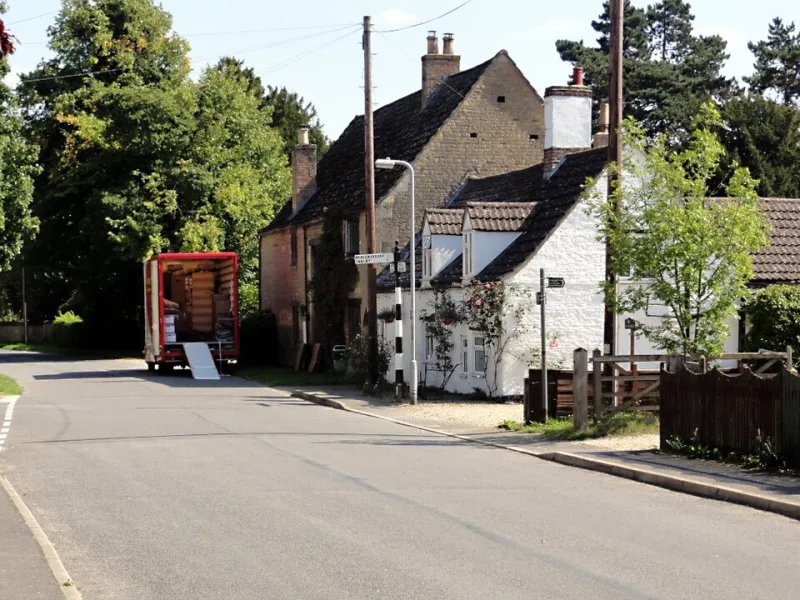
Photo: Tony Atkin , CC BY-SA 2.0, via Wikimedia Commons
The first night in a new home has a predictable plot. You're tired, the kettle is in a box marked 'kitchen misc', and someone is asking where the loo roll is. The fix is not more packing. It's better packing: one clearly labelled crate that comes out of the van before anything else.
Think of it as the moving-day survival kit. Not a curated lifestyle box, not a two-week pantry. Just the things you'll actually reach for when the van doors close and the takeaway app asks for your new postcode.
The two-crate rule: one shared, one personal
Build one shared open-first crate for the household and one small personal box per person. The shared crate handles the things everyone will need in the first hour: a brew, a loo roll, a charger, a clean towel. The personal box handles the things that make each person feel human: pyjamas, meds, a toothbrush, a comfort item. Keep both clearly labelled and easy to carry.
What earns a place in the shared crate
- The brew kit: kettle, tea bags, coffee, sugar, mugs, long-life milk and a packet of biscuits. Add a teaspoon — you will not find one.
- Loo roll, hand soap, a towel and bin bags. Basic dignity, sorted.
- Bedding for each bed: bottom sheet, duvet cover and pillowslips. Pillows too if there's room. You can live out of a suitcase, but you can't sleep on a bare mattress with good grace.
- Chargers and an extension lead. One plug, many phones.
- Basic tools: screwdriver, Allen key set, adjustable spanner, Stanley knife, tape and a torch. Flat-pack will not assemble itself.
- Cleaning cloths, surface spray, kitchen roll and a dustpan and brush. The last tenant's idea of clean is not always yours.
- Paper plates, cups and cutlery, or one pan and a wooden spoon. Takeaway is allowed; a fork helps.
- First aid kit, painkillers and any prescriptions.
- Snacks and water bottles.
- Pet bowl, lead, food and poo bags if relevant.
Keep important paperwork and keys on your person, not buried in the crate. That's one box you don't want to open in a panic.
What stays out
Don't turn the crate into a removal van's greatest hits. Heavy toolboxes, entire wardrobes, fragile glassware, valuables and long-term storage items don't belong. Keep it light enough for one person to carry. If you need a trolley, it's too heavy. Also leave out anything that will leak, melt or smell.
Build a personal box for each person
For each person, pack a small box or bag: pyjamas, a change of clothes for the next day, toiletries, medications, phone charger, a book or tablet, and one comfort item. For children, let them choose the comfort item and label the box with their name. For pets, a separate kit with food, bowl, lead and bedding. Put personal boxes on top of the shared crate in the van, or beside it.
Load it last so it comes out first
This is the bit people forget. Tell your removals team which crate is 'open first' and mark it with bright tape. In a self-drive van, load it last, near the doors, so it's the first thing you lift out. Don't let it disappear under a mattress. At the new place, carry it straight to the kitchen and put the kettle on. The rest can wait.
A five-minute checklist before you close the lid
- Kettle, tea, mugs, milk
- Loo roll, soap, towel
- Bedding for tonight
- Chargers and extension lead
- Tools, torch, tape
- Cleaning cloths and spray
- Meds and first aid
- Snacks and water
- Personal boxes labelled
- Crate marked 'OPEN FIRST'
The first night is not about having everything. It's about having the right things within reach. Pack the crate last, open it first, and keep it moving.