No Box Left Behind: Renting Reusable Crates for a Smarter 2026 Move

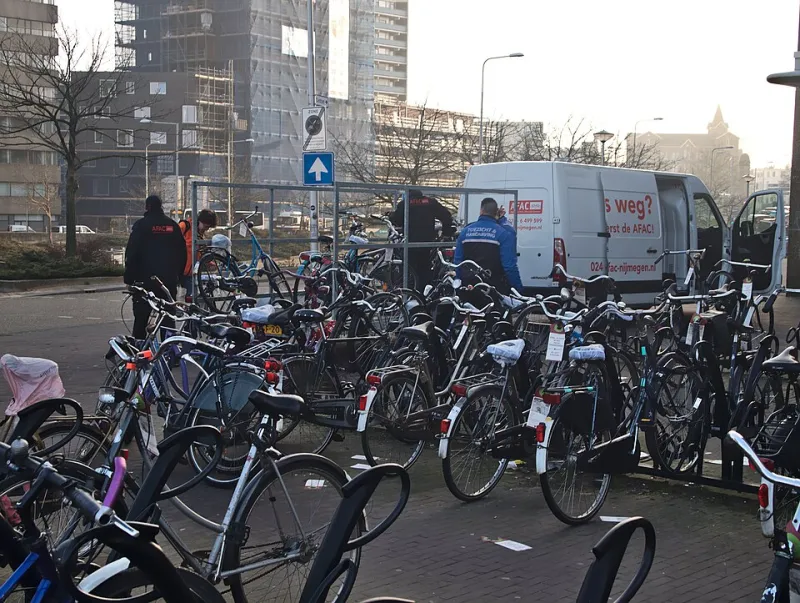
Photo: Jonathan Thacker , CC BY-SA 2.0, via Wikimedia Commons
Cardboard has had a very good run. It is cheap, familiar and available from pretty much every corner shop, supermarket and removal firm in the UK. But in 2026 the reusable moving crate is no longer a niche idea for eco-minded movers. Local hire schemes, library-style crate services and national deposit-return operations have turned the humble plastic box into a genuine logistics choice. The catch is simple: crates are not really a product you buy. They are a loop you join. Get the loop right and your move gets faster, tidier and a little greener. Get it wrong and you end up paying for a second van trip to take the empties back.
The crate loop, explained without the jargon
A reusable crate scheme usually works in one of three ways. The first is local hire: a removal company, council-backed scheme or independent depot lends you a set of crates for a week or two. The second is a deposit-return service, where you pay a refundable deposit per crate and get it back when the crates come home. The third is a hybrid: delivery, collection and cleaning are bundled into the hire fee, which makes the whole thing feel less like borrowing a friend's camping gear and more like renting a van.
The appeal is obvious. Crates stack neatly, they do not collapse when the cat sits on them, and they do not need a fresh roll of tape every time you seal one. They also come back to the same pool, which means fewer flattened cardboard sheets clogging up the recycling bin on day one of your new tenancy.
The money question: crates versus cardboard
There is no universal answer here, so ignore anyone who says crates always save money. For a tiny flat move with a fortnight's notice, buying a bundle of cardboard boxes and a roll of tape may still be the cheaper route. Crates tend to win when you are moving a larger home, when you move regularly, when you need to pack early and leave boxes stacked for weeks, or when the hire includes delivery and collection.
Work out the full comparison, not just the headline hire price. Add up the crate hire fee, delivery, collection, any deposit and the cost of a late return. Then compare that with boxes, tape, bubble wrap, packing paper and the time you will spend hunting down free boxes on local Facebook groups. Factor in the return trip too. If you have to drive the crates back across town in a borrowed estate car, that fuel and time is part of the cost. A crate scheme with a collection slot may look pricier on paper but be cheaper once the loop is closed.
Book early, especially around the usual pinch points
Crate availability is not infinite. In the UK, demand spikes around the end of the month, university move-in weeks, the summer holidays and the run-up to Christmas. If your moving date lands on a Friday or Saturday at the end of a month, assume the good schemes will be booked. Two to three weeks' notice is sensible for a standard home move. Peak dates can need a month or more.
Ask three questions when you book. When do the crates arrive, and is that a fixed window or a vague 'sometime before lunch'? How long is the hire period, and what happens if your completion date slips? And how do returns work: do you get a collection slot, or are you expected to deliver them back to a depot during office hours? A cheap hire deal with a collection window that clashes with your first day at a new job is not actually a good deal.
Hygiene and durability checks before you pack a single mug
Reusable does not automatically mean clean. Ask what the cleaning process is. Most reputable schemes wash and inspect crates between hires, but you should still give them a quick look when they land. Check for cracks around the hinges, missing latches, sharp edges and any lingering smell. A crate that held onions last month may not be the best home for your bedding.
Use common sense with packing. Wipe the inside before loading clothes, towels or kitchen kit. Line crates with a clean bin bag or packing paper if you are cautious. Keep food, toiletries and anything that could leak in a separate crate or a sealed bag. Do not overfill: crates have weight limits, and a box that is easy to lift empty becomes a backache when it is full of books. Spread heavy items across several crates rather than creating one heroic crate of cookbooks.
The van-space surprise nobody mentions
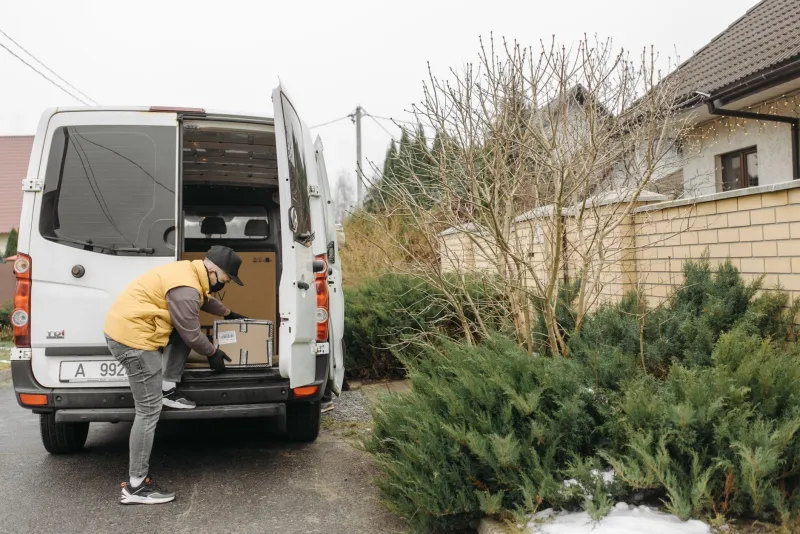
Crates are brilliant stackers, but they are also rigid. Cardboard can be squashed into the awkward gap behind the sofa. A crate cannot. That changes how you load a van. Empty crates nest or stack down to a manageable footprint, but once they are full they take up predictable, boxy space. Measure your van's internal height and width before you assume you can double-stack everything. If you are hiring a self-drive van, check whether the wheel arches will interrupt your neat crate wall.
Load heavy crates low and over the axle, with lighter ones on top. Use a trolley if the scheme offers one; a stack of five crates is not a sensible thing to carry down a narrow Victorian hallway. And keep a clear aisle or loading zone in the van. The last thing you want is to unload half the crates at the new place just to reach the mattress.
Plan the drop-off so the savings survive
The return leg is where crate hires go wrong. If you unpack in a panic and leave the empties scattered across three rooms, you will spend moving day plus two trying to gather them. Pick one room in the new place as the crate holding bay. Stack empties there as you unpack, flatten nothing, and keep the latches clean. Book the collection for a day or two after you expect to finish unpacking, not for the same afternoon as the move.
If you are returning crates yourself, consolidate the trip. Do not make three separate runs because you kept finding stray crates under beds. Count them out at delivery, count them back in at collection, and photograph the stack if the scheme asks for a condition check. Keep the deposit paperwork somewhere you will actually find it. And if your move is long-distance, check whether the scheme allows a different return depot or a courier collection. A one-way move with a two-way crate return can wipe out the environmental and financial benefits in a single afternoon.
A quick 2026 crate checklist
Book two to three weeks ahead for standard dates, longer for peak weekends. Compare the full loop cost: hire, delivery, collection, deposit and late fees. Check hygiene and damage when the crates arrive. Pack heavy items low and light items high. Measure the van before you assume crates will stack like cardboard. Choose one room for empty crates and book collection after the unpacking rush. Then let the crates go back to the library, ready for the next mover. That is the whole point of the loop, and it is a very satisfying way to keep it moving.