When the Sky Joins the Move: Wet-Weather Tactics That Keep Boxes Dry
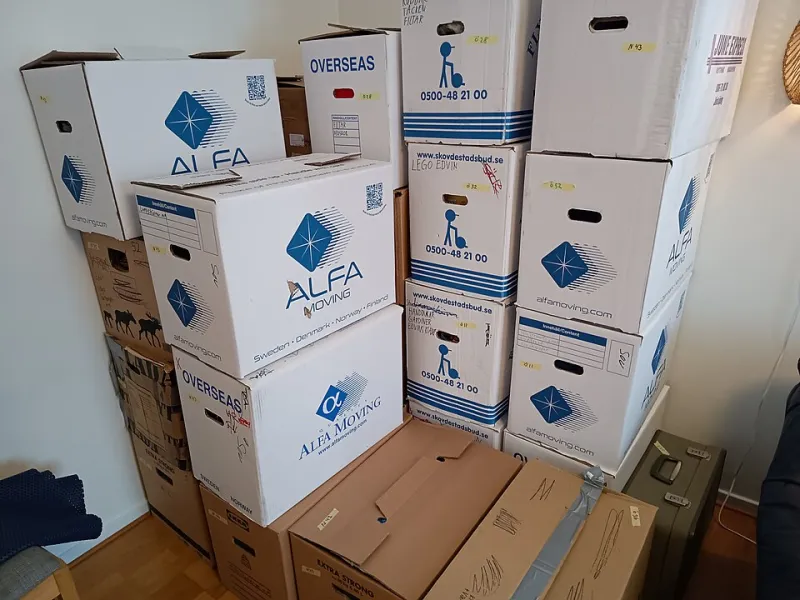
Photo: Boivie, CC BY 4.0, via Wikimedia Commons
UK moving days have a habit of lining up with the one week the forecast decides to make up for a dry summer. A bit of drizzle is manageable. A proper autumn downpour, complete with leaf-strewn pavements and a van that smells faintly of wet cardboard, is a different job. The good news is that wet-weather moving is mostly a logistics problem, and logistics problems respond well to a small kit and a sensible order of operations.
The kit that earns its place
Skip the heroic approach. Build a compact rain-day box that lives by the front door and travels with you, not in the bottom of the removal van. Two rolls of heavy-duty polythene sheeting will cover hall floors and van floors. A pack of microfibre cloths and a couple of old towels handle drips before they spread. Blue painter's tape is kinder than duct tape on painted skirting and laminate, and a few lidded plastic crates are useful for anything that must not touch a damp surface.
Add a bag for wet outer layers, spare socks, a head torch for dim stairwells, and a handful of cable ties for keeping sheeting in place. A small squeegee or window blade helps clear a path at the door. None of this is glamorous. All of it is the difference between a controlled move and a trail of muddy footprints from the front door to the bedroom.
Defend the inside before the van arrives
Start indoors. Lay a runner of polythene or old cardboard from the front door to the main loading point, then tape it down at the edges so it does not slide underfoot. Put a towel at the threshold and a second one just inside. Make one clear rule for the day: outdoor shoes stay on the wet side of the towel, indoor shoes or socks stay on the dry side. It sounds fussy, but it stops the same patch of grass and grit being walked through every room.
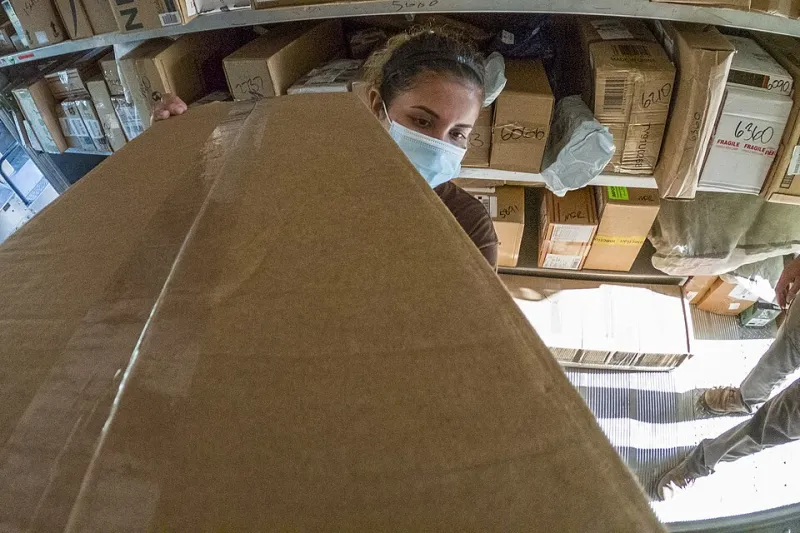
If you have a porch or covered entry, use it as a staging zone. Bring boxes to the door in small batches rather than carrying each one individually through the rain. Keep the batch under cover while the van is being loaded, then move it quickly. This is where lidded crates beat soggy cardboard. For cardboard boxes, a bin bag slipped over the top and taped at the sides gives a cheap waterproof jacket without making the box impossible to lift.
Load in the right order
A wet-weather load has three priorities: keep the van floor dry, keep damp-sensitive items protected, and minimise the time anything spends in the doorway. Start by lining the van floor with polythene and adding a dry blanket or cardboard layer over it. Load sturdy furniture and plastic crates first. Then move the bulk of the cardboard boxes in a relay, with one person inside the van stacking and one person at the door passing items along.
Electronics, soft furnishings and anything paper-based should go into sealed bags before they leave the house. Load these last, near the van doors, so they are the first things out at the other end. That way they spend the least time exposed to rain during loading and the least time waiting on a wet pavement during unloading. Keep a separate dry box in the cab with phone chargers, medication, snacks, a towel and a change of socks. It is not a luxury; it is the difference between a calm arrival and a damp, hungry search through twelve identical boxes.
Electronics and soft furnishings need a second layer
Cardboard is a sponge. For TVs, monitors, games consoles and anything with vents, use the original box if you still have it, then wrap the whole thing in a bin bag or a purpose-made waterproof cover. Do not seal a device in a bag while it is warm; let it cool first. For sofas, mattresses and rugs, a fitted cover or a couple of large polythene sheets taped underneath will keep the worst off. Soft furnishings can go in vacuum bags or clean bin bags, but label them clearly so nobody mistakes them for rubbish on arrival.
If something does get wet, deal with it at the first stop rather than at the end of the day. Dry the outside of the box, open it somewhere well ventilated and remove damp packaging. Paper and fabric can usually be saved if they are separated and aired quickly. Electronics should stay off until they are completely dry.
At the other end, make a dry zone
Before the van is unloaded, set up a dry zone just inside the new front door. Put down sheeting or old cardboard, place a towel at the threshold and keep a bin bag handy for wet packaging. Unload damp-sensitive items first and take them straight to a dry room. Do not stack wet boxes on top of dry ones or lean damp cardboard against a newly painted wall. Once the van is empty, wipe down the floors and leave windows open for a while if the rain has eased.
A wet move is not ruined by a bit of rain. It is ruined by small drips being ignored for three hours. The kit is simple, the loading order is sensible, and the habits are easy to repeat. Check the Met Office forecast the night before, allow an extra half-hour for wrapping and wiping, and keep the dry box close. Your future self, the one unpacking in a dry living room, will be grateful.