The Loaded-Range Reality Check: Hiring an Electric Van for a UK Move
Electric vans have gone from novelty to normal on UK hire fleets, and for plenty of moves they are genuinely lovely things: quiet, smooth, cheap to run and welcome in clean air zones. But moving day is not a gentle commute. You will load the van to the roof, drive stop-start through residential streets, maybe tackle a hill or two, and possibly do it all on a cold morning. The good news is that an electric van can handle a lot of UK moves beautifully. The less good news is that if you treat the brochure range as a promise, you will spend the afternoon staring at a charger.
Payload first, range second
Before you book, ask two questions: what is the payload, and what is the realistic range with that payload? A 3.5-tonne electric van might offer around 700–1,000 kg of payload depending on battery size and body style. That is fine for a one-bed flat, tight for a family house, and nowhere near enough for a workshop full of tools. Check the plate on the van and the hire agreement — batteries are heavy, and some electric versions carry less than their diesel twins.
Be honest about weight. Books, crockery, tools, gym equipment and that box of tiles you forgot about add up quickly. Overloading is illegal, bad for handling and brutal for range. If your estimate lands within 100 kg of the limit, book the next size up or plan a second run.
What range looks like with a sofa aboard
Official WLTP range is a lab figure, not a removal-day figure. Loaded, at 60–70mph, on a cold morning with the heater on, you can easily lose 20–35% of the advertised range. Stop-start urban moves often do better because regenerative braking puts a little energy back, but motorway miles and hills are less forgiving.
A practical rule: use around 70% of the official range as your working estimate for a loaded winter move, and 80% in mild weather. A van rated at 200 miles might realistically do 130–150 miles on a mixed route with a full load. A smaller van rated at 140 miles might do 90–110. Then keep a 20-mile buffer. Do not plan to arrive at a public charger with 2% left and a queue of delivery drivers ahead of you.
Build the day around charging, not the other way round
Map your route and mark rapid chargers near your start, your midpoint and your destination. CCS rapid chargers of 50kW and above are what you want for a mid-move top-up; 7kW destination chargers are for overnight stays or long unloads. If your move is under 60 miles and you can charge at base, you may not need public charging at all. If it is 120 miles, plan one 30–40 minute rapid stop and build it into the day.
Use Zapmap, Octopus Electroverse, PlugShare and the van hire company’s app to check live availability and reliability. Have two options at each stop. Carry RFID cards as well as your phone, and check whether the van comes with a Type 2 cable for slower chargers. Some rapids are app-only, some want a card, and some have a habit of being out of order on the one day you need them.
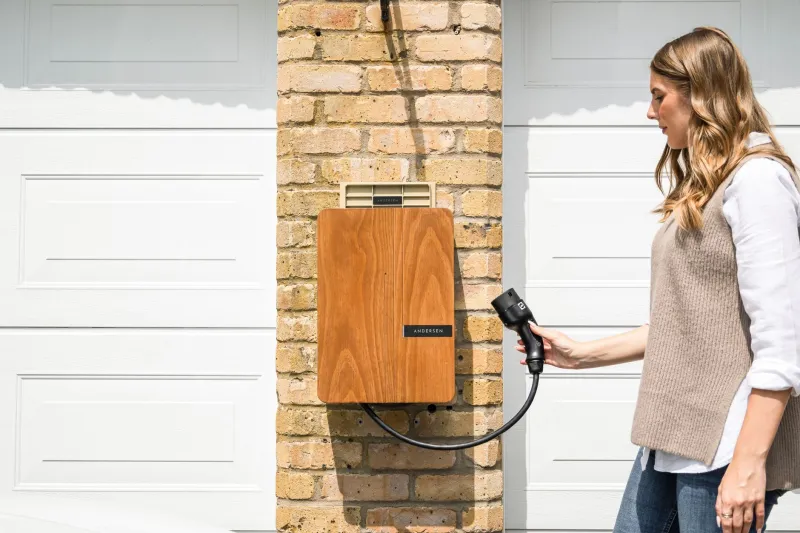
Also think about charging at both ends. A driveway with a 7kW charger is the ideal. A terraced street with no off-street parking is harder — public lamppost charging exists in some areas, but do not build a house move around a hopeful app download.
The kit and the habits
Precondition the battery while plugged in if the van allows it. Check tyre pressures. Use eco mode, accelerate smoothly and keep motorway speeds sensible. Heating uses energy, so dress for the weather and use heated seats if they are fitted. Plan to charge at 20–30%, not 5%. On rapid chargers, charge to 80% rather than waiting for the last slow trickle to 100%, unless you genuinely need the extra miles.
Keep the load secure and spread weight sensibly. And remember that a van full of your belongings is not the moment to leave the doors unlocked while you wander off for a coffee. Use the charger stop as a proper break, lock up and stretch your legs.
A backup plan that is not just hope
Write down the nearest alternative rapid charger to each planned stop, the hire company’s recovery number, and whether they can swap you into a diesel van if things go badly wrong. Keep at least 30 miles of range in reserve. If a charger is dead, move on to the next one rather than waiting for a miracle.
Rural routes need extra care. Parts of Scotland, Wales and the quieter English counties have thinner charger networks than the motorway services. If your move is long, rural and tightly timed, a diesel or hybrid van may simply be the more sensible tool. That is not anti-electric; it is good logistics.
When an electric van is the wrong tool
An electric van is a brilliant choice for city moves, short hops, business deliveries and anyone with a driveway and a charger. It is a less brilliant choice for a 180-mile house move with a full load and a completion deadline, for heavy workshop equipment, for towing, or for a route with few rapid chargers and no charging at either end. Multiple trips in one day can also eat range faster than you expect.
The verdict
For plenty of UK moves in 2026, an electric van is a calm, clean and genuinely pleasant way to shift your life from one place to another. Just plan like a logistics manager, not an optimist. Check the payload, discount the brochure range, map the rapids, carry a backup plan and charge at both ends if you can. Do that, and the move will be quieter, cheaper and a lot less diesel-scented.