The Move-Out Manual: Leave Your Old Place Ready to Run Without You

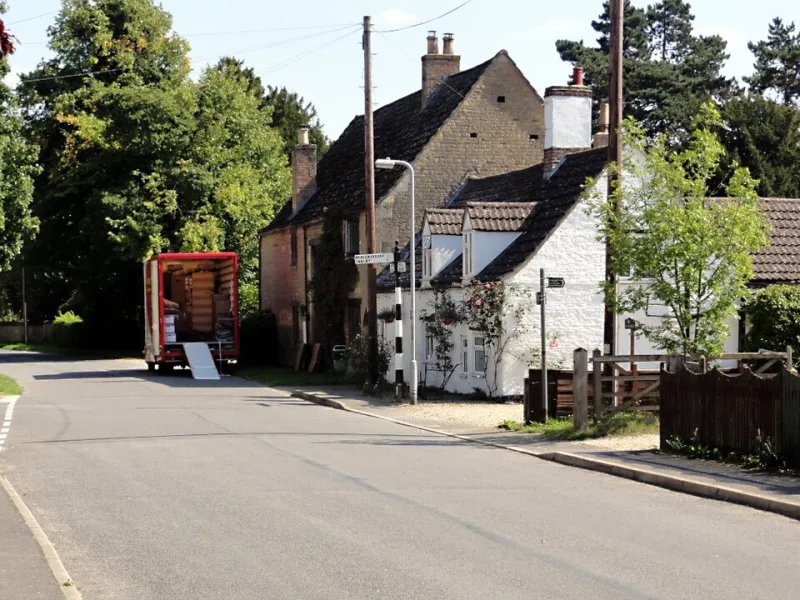
Photo: Owain.davies, CC BY-SA 4.0, via Wikimedia Commons
Moving day tends to be measured in van loads and stair counts. But there’s a quieter test of a good move: can the next person walk in, put the kettle on, and get through the first week without ringing you? That’s where a proper move-out manual earns its keep.
It isn’t a sentimental folder of receipts. It’s a short, practical guide to the place you’re leaving: how it works, who to call, when the bins go out, and where the stopcock hides. Build it before the final week, and you’ll save everyone—including yourself—a load of hassle.
Build it for the next occupant, not for your filing cabinet
Start by knowing who’s taking over. A buyer, a tenant, and a letting agent all need slightly different things. Ask your solicitor or agent what can be passed on and what should go through them. Never hand over bank passwords or personal account logins; transfer or close those yourself. The manual is about the property, not your private business.
Make it two things: a physical folder for the kitchen drawer and a digital folder for the agent or solicitor to forward. Label both clearly with the address and ‘property handover notes’. Keep the tone plain. A list of facts beats a long letter.
Put the meters and money first
The most useful page is the dullest one. On your final morning, photograph every meter—gas, electricity, water—and write down the readings and serial numbers. Send copies to your supplier, landlord or agent, and the next occupant if that’s been agreed. A timestamped photo stops arguments later.
Add the council tax account number and final bill, the water authority name, and the broadband supplier if the line is staying. Note where the meter boxes are, especially if the water meter is under a hedge or behind a panel. If you have a smart meter display, say what it’s called and where you’re leaving it. Don’t cancel utilities until the readings are safely recorded.
Make a first-week survival sheet
This is the page people will actually use. Keep it to one side of A4 if you can.
- Bin day, collection time, and which bin goes out. Add the bin store code if there is one, and the recycling rules if they’re unusual.
- Keys: what each one opens, including window keys, the meter box key, and the communal door.
- Alarm instructions: the code should go through the agent or solicitor in a sealed envelope, not stuck inside a kitchen cupboard. Add how to reset it after a power cut.
- Stopcock, fuse box, boiler pressure gauge, and thermostat. A quick sketch can be better than a paragraph.
- Parking permits, visitor permits, and any building management contact. Say whether they need returning.
- The quirks: the front door needs a lift, the gate latch sticks in wet weather, the second radiator in the back room is slow to heat.
Keep the paperwork that answers questions
Boiler service records, warranties, and appliance manuals are gold for the first few months. You don’t need to leave every leaflet, but do leave the model numbers for the boiler, washing machine, oven, and any fussy gadget. Write down the filter size for the extractor fan and the water softener salt type if you use one. Future-you would want that; so does the next person.
If you rent, include the gas safety certificate and any deposit-protection details that the agent hasn’t already sent. If you own, leave the EPC and any guarantees for work you’ve had done. Keep it tidy: a labelled wallet with ‘boiler’, ‘appliances’, and ‘works’ tabs is plenty.
Write the courtesy note—then stop
One short note is worth more than twenty phone calls. Mention the practical stuff: the bin lorry arrives early, the neighbour at number 12 has a spare key only if they’ve agreed, the boiler sometimes needs a reset after a storm. Keep it friendly and factual. Don’t leave a rant about the neighbour’s parking, and don’t hide a problem behind a smiley face. If something is broken, say so plainly and leave the repair details.
Hand it over properly
Put the physical folder somewhere obvious but not public—inside a kitchen cupboard, not on the doorstep. Give the digital copy to the agent, solicitor, or landlord, and tell the next occupant where the paper version is. If codes are involved, use a sealed envelope with their name on it and hand it through the proper channel. Take a photo of the finished folder before it leaves your hands, just so you know what you passed on.
The ten-minute checklist
Before the van pulls away, check you’ve covered:
- Meter readings and serial numbers, photographed and sent.
- Council tax, water, broadband, and bin day details.
- Keys labelled, codes sealed, alarm instructions included.
- Stopcock, fuse box, and boiler notes.
- Appliance model numbers and service records.
- Parking permits and building contact.
- One courtesy note with the quirks, not the complaints.
A good move doesn’t end when the last box goes in the van. It ends when the next person can run the place without you. Leave the manual, and you can close the door knowing the first week won’t be a treasure hunt.